Buy morefollowers.eu ?
We are moving the project
morefollowers.eu .
Are you interested in purchasing the domain
morefollowers.eu ?
domain@kv-gmbh.de · 0541-91531010
Buy morefollowers.eu ?
What is the imperative?
The imperative is a verb form used to give commands, make requests, or offer advice. It is typically used to communicate directly with someone and tell them what to do. The imperative form does not include a subject pronoun, as it is implied by the context of the sentence. It is a straightforward and direct way of expressing instructions or suggestions. **
With which pronouns does the affirmative imperative differ from the negative imperative?
The affirmative imperative in Spanish uses the same pronouns as the indicative mood, while the negative imperative uses the same pronouns as the subjunctive mood. For example, the affirmative imperative for "hablar" (to speak) is "habla" (you speak), using the pronoun "tú," while the negative imperative is "no hables" (don't speak), using the pronoun "tú" as well. However, in the negative imperative, the pronoun "tú" is often omitted, so it would be more common to hear "no hables" instead of "no hables tú." **

Similar search terms for Imperative
Top-Angebote
Products related to Imperative:
-
Uplifted Finds Predatory Engagement Wrestling Puppet Hub Predatory Engagement Wrestling Puppet HubTransform interactive play with the PredatoryEngagement Puppet, a professionalgrade interaction module engineered with manualsimulation logic. This highutility tool features a reinforced plush architecture and poseable limbs, specifically designed...85,97 $*Shipping: 0,00 $Secure redirect to the provider




-
What is the affirmative imperative with negation and the affirmative imperative with pronouns?
The affirmative imperative with negation is used to give a negative command or request. For example, "Don't eat that!" The affirmative imperative with pronouns is used to give a command or request to a specific person or group. For example, "You, come here!" or "You all, be quiet!" Both forms of imperative are used to give direct instructions or orders. **
-
What is the difference between Kant's categorical imperative and Hans Jonas' new imperative?
Kant's categorical imperative is based on the idea that one should act according to a principle that could be universally applied to all rational beings. It emphasizes the importance of moral duty and the inherent value of rational beings. On the other hand, Hans Jonas' new imperative is based on the idea of responsibility towards future generations and the environment. It emphasizes the need to consider the long-term consequences of our actions and to prioritize the well-being of future generations and the natural world. While Kant's categorical imperative focuses on the universality of moral principles, Jonas' new imperative emphasizes the ethical implications of our actions on the future. **
-
What is Kant's categorical imperative?
Kant's categorical imperative is a moral principle that states that one should act only according to rules that they would be willing to see universally followed. In other words, it is a command that applies to all rational beings, regardless of their personal desires or circumstances. Kant believed that this principle provides a basis for determining what is morally right or wrong, as it focuses on the intention behind an action rather than the consequences. Ultimately, the categorical imperative serves as a guide for individuals to act in a way that respects the inherent dignity and autonomy of all individuals. **
-
What are indicative and imperative?
Indicative and imperative are two different types of verb moods in grammar. The indicative mood is used to make statements or ask questions, expressing facts or opinions. On the other hand, the imperative mood is used to give commands or make requests. In essence, indicative is used for stating what is happening or what has happened, while imperative is used for giving instructions or orders. **


Should imperative be in German?
Yes, imperative is an important aspect of the German language as it is used to give commands, make requests, or offer advice. Learning how to use the imperative form correctly is essential for effective communication in German. Additionally, using imperative can help convey a sense of urgency or directness in speech or writing. Therefore, mastering the imperative form is crucial for anyone looking to become proficient in German. **
Is the categorical imperative rigorous?
Yes, the categorical imperative is considered to be rigorous because it provides a clear and universal moral principle that applies to all rational beings. It demands that individuals act according to principles that could be willed as universal laws, and it requires individuals to treat others as ends in themselves, rather than as means to an end. This rigorous framework helps to guide moral decision-making and promote ethical behavior. **
Top-Angebote
Products related to Imperative:
-
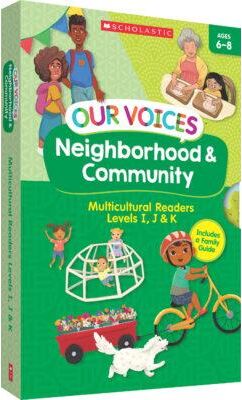
Our Voices: Neighborhood & Community Boxed SetFoster a feeling of belonging while building key reading skills with these colorful storybooks that spotlight a variety of neighborhoods and communities. The 10 charming stories feature characters from different cultural backgrounds who learn about...30,59 $*Shipping: 0,00 $Secure redirect to the provider
-
NIVEA SUN set for sun exposureNIVEA SUN, 0 , After-Sun Care for Women, Everything for beautiful-looking skin all in one package. The NIVEA SUN beauty gift set contains not one but several products to help you create or enrich your daily beauty routine and make you or your loved ones happy to receive it as a gift. The set contains: NIVEA SUN Protect & Dry Touch invisible sun spray SPF 50 200 ml NIVEA SUN After Sun moisturising after sun lotion with aloe vera 400 ml Characteristics: for a comprehensive skin care routine protects skin against UVA and UVB radiation gives skin the hydration it needs provides deep nourishment to sun-stressed skin a set at a favourable price How to use: Use every product from the cosmetic set according to the instructions.19,00 £*Shipping: 3,99 £Secure redirect to the provider
-
Uplifted Finds Predatory Engagement Wrestling Puppet Hub Predatory Engagement Wrestling Puppet HubTransform interactive play with the PredatoryEngagement Puppet, a professionalgrade interaction module engineered with manualsimulation logic. This highutility tool features a reinforced plush architecture and poseable limbs, specifically designed...85,97 $*Shipping: 0,00 $Secure redirect to the provider
-
What is the imperative?
The imperative is a verb form used to give commands, make requests, or offer advice. It is typically used to communicate directly with someone and tell them what to do. The imperative form does not include a subject pronoun, as it is implied by the context of the sentence. It is a straightforward and direct way of expressing instructions or suggestions. **
-
With which pronouns does the affirmative imperative differ from the negative imperative?
The affirmative imperative in Spanish uses the same pronouns as the indicative mood, while the negative imperative uses the same pronouns as the subjunctive mood. For example, the affirmative imperative for "hablar" (to speak) is "habla" (you speak), using the pronoun "tú," while the negative imperative is "no hables" (don't speak), using the pronoun "tú" as well. However, in the negative imperative, the pronoun "tú" is often omitted, so it would be more common to hear "no hables" instead of "no hables tú." **
-
What is the affirmative imperative with negation and the affirmative imperative with pronouns?
The affirmative imperative with negation is used to give a negative command or request. For example, "Don't eat that!" The affirmative imperative with pronouns is used to give a command or request to a specific person or group. For example, "You, come here!" or "You all, be quiet!" Both forms of imperative are used to give direct instructions or orders. **
-
What is the difference between Kant's categorical imperative and Hans Jonas' new imperative?
Kant's categorical imperative is based on the idea that one should act according to a principle that could be universally applied to all rational beings. It emphasizes the importance of moral duty and the inherent value of rational beings. On the other hand, Hans Jonas' new imperative is based on the idea of responsibility towards future generations and the environment. It emphasizes the need to consider the long-term consequences of our actions and to prioritize the well-being of future generations and the natural world. While Kant's categorical imperative focuses on the universality of moral principles, Jonas' new imperative emphasizes the ethical implications of our actions on the future. **
Similar search terms for Imperative
-
Touch of Class Connections Abstract Wall Art Gold , GoldAbstract beauty shines from the Connections Metal Wall Art in a grand eclectic affair. Reflecting the light at various angles, each metal geometric piece features a radiant gold leaf finish that shimmers with metallic splendor from the open...59,99 $*Shipping: 13,95 $Secure redirect to the provider
-
Style Haven Global Influence Floral Medallion Area RugComplement the luxe vibe in your high-end interiors with this Global Influence floral medallion area rug. Featuring red and Beige, Cream hues for statement-making style, this area rug is machine-made from polypropylene for long-wearing appeal.377,49 $*Shipping: 0,00 $Secure redirect to the provider
-
What is Kant's categorical imperative?
Kant's categorical imperative is a moral principle that states that one should act only according to rules that they would be willing to see universally followed. In other words, it is a command that applies to all rational beings, regardless of their personal desires or circumstances. Kant believed that this principle provides a basis for determining what is morally right or wrong, as it focuses on the intention behind an action rather than the consequences. Ultimately, the categorical imperative serves as a guide for individuals to act in a way that respects the inherent dignity and autonomy of all individuals. **
-
What are indicative and imperative?
Indicative and imperative are two different types of verb moods in grammar. The indicative mood is used to make statements or ask questions, expressing facts or opinions. On the other hand, the imperative mood is used to give commands or make requests. In essence, indicative is used for stating what is happening or what has happened, while imperative is used for giving instructions or orders. **
-
Should imperative be in German?
Yes, imperative is an important aspect of the German language as it is used to give commands, make requests, or offer advice. Learning how to use the imperative form correctly is essential for effective communication in German. Additionally, using imperative can help convey a sense of urgency or directness in speech or writing. Therefore, mastering the imperative form is crucial for anyone looking to become proficient in German. **
-
Is the categorical imperative rigorous?
Yes, the categorical imperative is considered to be rigorous because it provides a clear and universal moral principle that applies to all rational beings. It demands that individuals act according to principles that could be willed as universal laws, and it requires individuals to treat others as ends in themselves, rather than as means to an end. This rigorous framework helps to guide moral decision-making and promote ethical behavior. **
* All prices are inclusive of VAT and, if applicable, plus shipping costs. The offer information is based on the details provided by the respective shop and is updated through automated processes. Real-time updates do not occur, so deviations can occur in individual cases. ** Note: Parts of this content were created by AI.