Buy morefollowers.eu ?
We are moving the project
morefollowers.eu .
Are you interested in purchasing the domain
morefollowers.eu ?
domain@kv-gmbh.de · 0541-91531010
Buy morefollowers.eu ?
How does one read Sanskrit?
Reading Sanskrit involves understanding the Devanagari script, which is the script used to write Sanskrit. Each character in Devanagari represents a specific sound, and the script is written from left to right. It is important to learn the pronunciation rules and understand the diacritical marks used in Sanskrit to correctly read and pronounce the words. Practice and familiarity with the script are key to becoming proficient in reading Sanskrit texts. **
How can one learn Sanskrit?
One can learn Sanskrit through various means such as enrolling in a formal course at a university or language institute, finding a private tutor, or using online resources and self-study materials. There are also many books, apps, and websites available for learning Sanskrit, as well as online courses and tutorials. It is important to practice regularly and immerse oneself in the language as much as possible to gain proficiency. Additionally, seeking out opportunities to engage with native speakers and participate in language exchange programs can also be beneficial for learning Sanskrit. **

Similar search terms for Sanskrit
Top-Angebote
Products related to Sanskrit:
-
Uplifted Finds Predatory Engagement Wrestling Puppet Hub Predatory Engagement Wrestling Puppet HubTransform interactive play with the PredatoryEngagement Puppet, a professionalgrade interaction module engineered with manualsimulation logic. This highutility tool features a reinforced plush architecture and poseable limbs, specifically designed...85,97 $*Shipping: 0,00 $Secure redirect to the provider




-
How can one best learn Sanskrit?
One of the best ways to learn Sanskrit is by taking formal classes with a qualified teacher who can provide guidance and feedback. Additionally, practicing regularly by reading Sanskrit texts, writing in Sanskrit, and speaking the language with others can help reinforce learning. Utilizing resources such as textbooks, online courses, and language learning apps can also be beneficial in supplementing one's learning. Immersing oneself in the language and culture by attending Sanskrit workshops, seminars, or visiting India can further enhance one's understanding and proficiency in Sanskrit. **
-
Which language is most similar to Sanskrit?
The language most similar to Sanskrit is probably Hindi. Both languages belong to the Indo-Aryan branch of the Indo-European language family and share a lot of vocabulary, grammar, and phonetic features. Many words in Hindi are derived from Sanskrit, and the two languages also have similar sentence structures and verb conjugations. Additionally, both languages use the Devanagari script for writing. **
-
How can one write 'heart' in Sanskrit?
The word "heart" in Sanskrit is written as "हृदय" (hṛdaya). This word is used to refer to the physical heart as well as the emotional and spiritual center of a person. In Sanskrit, the heart is considered the seat of emotions, consciousness, and the source of life. **
-
Which language is older, Urdu or Sanskrit?
Sanskrit is considered to be older than Urdu. Sanskrit is an ancient Indo-Aryan language that has been used in the Indian subcontinent for thousands of years and is the liturgical language of Hinduism, Buddhism, and Jainism. Urdu, on the other hand, is a more recent language that developed in the Indian subcontinent during the Mughal period, blending elements of Persian, Arabic, and Turkish with local languages. Therefore, Sanskrit is generally considered to be older than Urdu. **


What is the Sanskrit translation for Tattoo?
The Sanskrit translation for Tattoo is "लोहचिह्न" (lohacihna). **
What does the term batukaya mean in Sanskrit?
The term "batukaya" in Sanskrit refers to a group of young boys or disciples. It is often used to describe a group of students or followers who are learning from a teacher or guru. The term carries connotations of youthful energy, enthusiasm, and a willingness to learn. In Hindu mythology, the term is also associated with the youthful form of the god Shiva. **
Top-Angebote
Products related to Sanskrit:
-
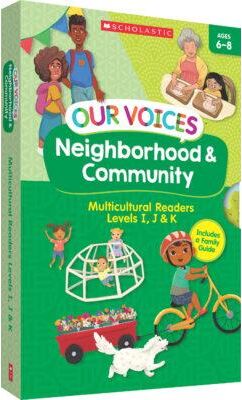
Our Voices: Neighborhood & Community Boxed SetFoster a feeling of belonging while building key reading skills with these colorful storybooks that spotlight a variety of neighborhoods and communities. The 10 charming stories feature characters from different cultural backgrounds who learn about...30,59 $*Shipping: 0,00 $Secure redirect to the provider
-
NIVEA SUN set for sun exposureNIVEA SUN, 0 , After-Sun Care for Women, Everything for beautiful-looking skin all in one package. The NIVEA SUN beauty gift set contains not one but several products to help you create or enrich your daily beauty routine and make you or your loved ones happy to receive it as a gift. The set contains: NIVEA SUN Protect & Dry Touch invisible sun spray SPF 50 200 ml NIVEA SUN After Sun moisturising after sun lotion with aloe vera 400 ml Characteristics: for a comprehensive skin care routine protects skin against UVA and UVB radiation gives skin the hydration it needs provides deep nourishment to sun-stressed skin a set at a favourable price How to use: Use every product from the cosmetic set according to the instructions.19,00 £*Shipping: 3,99 £Secure redirect to the provider
-
Uplifted Finds Predatory Engagement Wrestling Puppet Hub Predatory Engagement Wrestling Puppet HubTransform interactive play with the PredatoryEngagement Puppet, a professionalgrade interaction module engineered with manualsimulation logic. This highutility tool features a reinforced plush architecture and poseable limbs, specifically designed...85,97 $*Shipping: 0,00 $Secure redirect to the provider
-
How does one read Sanskrit?
Reading Sanskrit involves understanding the Devanagari script, which is the script used to write Sanskrit. Each character in Devanagari represents a specific sound, and the script is written from left to right. It is important to learn the pronunciation rules and understand the diacritical marks used in Sanskrit to correctly read and pronounce the words. Practice and familiarity with the script are key to becoming proficient in reading Sanskrit texts. **
-
How can one learn Sanskrit?
One can learn Sanskrit through various means such as enrolling in a formal course at a university or language institute, finding a private tutor, or using online resources and self-study materials. There are also many books, apps, and websites available for learning Sanskrit, as well as online courses and tutorials. It is important to practice regularly and immerse oneself in the language as much as possible to gain proficiency. Additionally, seeking out opportunities to engage with native speakers and participate in language exchange programs can also be beneficial for learning Sanskrit. **
-
How can one best learn Sanskrit?
One of the best ways to learn Sanskrit is by taking formal classes with a qualified teacher who can provide guidance and feedback. Additionally, practicing regularly by reading Sanskrit texts, writing in Sanskrit, and speaking the language with others can help reinforce learning. Utilizing resources such as textbooks, online courses, and language learning apps can also be beneficial in supplementing one's learning. Immersing oneself in the language and culture by attending Sanskrit workshops, seminars, or visiting India can further enhance one's understanding and proficiency in Sanskrit. **
-
Which language is most similar to Sanskrit?
The language most similar to Sanskrit is probably Hindi. Both languages belong to the Indo-Aryan branch of the Indo-European language family and share a lot of vocabulary, grammar, and phonetic features. Many words in Hindi are derived from Sanskrit, and the two languages also have similar sentence structures and verb conjugations. Additionally, both languages use the Devanagari script for writing. **
Similar search terms for Sanskrit
-
Touch of Class Connections Abstract Wall Art Gold , GoldAbstract beauty shines from the Connections Metal Wall Art in a grand eclectic affair. Reflecting the light at various angles, each metal geometric piece features a radiant gold leaf finish that shimmers with metallic splendor from the open...59,99 $*Shipping: 13,95 $Secure redirect to the provider
-
Tiffen 72mm aXent ND3.0 10-Stop Long Exposure Neutral Density FilterThe Tiffen 72mm aXent ND3.0 10-Stop Filter is a professional-quality neutral density filter designed for photographers and videographers who want greater creative control over exposure and motion effects. Engineered for long exposure photography, this 10-stop ND filter significantly reduces the amount of visible light entering the camera lens while still allowing infrared light waves to pass through to the sensor. Perfect for landscape photography, black and white photography, waterfalls, clouds, rivers, cityscapes, and motion effects, the Tiffen aXent ND3.0 filter enables slower shutter speeds and wider apertures even in bright lighting conditions. Professional Long Exposure Photography The 10-stop neutral density effect dramatically reduces incoming light, allowing photographers to use slower shutter speeds to create smooth, soft motion blur effects in moving water, clouds, traffic, and other moving subjects. Designed for Full Frame DSLR Cameras Optimized primarily for full-frame DSLR cameras, this filter is especially suitable for black and white photography and creative exposure techniques that require enhanced light control and tonal depth. Advanced Infrared Light Transmission Unlike standard ND filters, the Tiffen aXent filter allows infrared light waves to pass through to the camera sensor while reducing visible spectrum light. This unique capability supports artistic infrared and monochrome photography applications. Enhanced Depth of Field Control By reducing light entering the lens, the filter allows photographers to shoot with wider apertures in bright environments, helping achieve shallow depth-of-field effects and improved background separation. High-Quality Optical Glass Construction Manufactured from premium optical glass, the filter helps maintain image clarity and detail while minimizing distortion. The precision 72mm thread size ensures compatibility with a wide range of professional camera lenses. Ideal for Creative Photography Whether capturing silky waterfalls, smooth ocean waves, dramatic skies, urban light trails, or artistic black and white compositions, the Tiffen aXent ND3.0 filter gives photographers powerful creative flexibility for advanced image creation.43,99 £*Shipping: 0,00 £Secure redirect to the provider
-
How can one write 'heart' in Sanskrit?
The word "heart" in Sanskrit is written as "हृदय" (hṛdaya). This word is used to refer to the physical heart as well as the emotional and spiritual center of a person. In Sanskrit, the heart is considered the seat of emotions, consciousness, and the source of life. **
-
Which language is older, Urdu or Sanskrit?
Sanskrit is considered to be older than Urdu. Sanskrit is an ancient Indo-Aryan language that has been used in the Indian subcontinent for thousands of years and is the liturgical language of Hinduism, Buddhism, and Jainism. Urdu, on the other hand, is a more recent language that developed in the Indian subcontinent during the Mughal period, blending elements of Persian, Arabic, and Turkish with local languages. Therefore, Sanskrit is generally considered to be older than Urdu. **
-
What is the Sanskrit translation for Tattoo?
The Sanskrit translation for Tattoo is "लोहचिह्न" (lohacihna). **
-
What does the term batukaya mean in Sanskrit?
The term "batukaya" in Sanskrit refers to a group of young boys or disciples. It is often used to describe a group of students or followers who are learning from a teacher or guru. The term carries connotations of youthful energy, enthusiasm, and a willingness to learn. In Hindu mythology, the term is also associated with the youthful form of the god Shiva. **
* All prices are inclusive of VAT and, if applicable, plus shipping costs. The offer information is based on the details provided by the respective shop and is updated through automated processes. Real-time updates do not occur, so deviations can occur in individual cases. ** Note: Parts of this content were created by AI.