Buy morefollowers.eu ?
We are moving the project
morefollowers.eu .
Are you interested in purchasing the domain
morefollowers.eu ?
domain@kv-gmbh.de · 0541-91531010
Buy morefollowers.eu ?
How can soil salinization be avoided?
Soil salinization can be avoided by implementing proper irrigation practices, such as using drip irrigation or precision watering techniques to prevent excessive salt buildup in the soil. Additionally, planting salt-tolerant crops and rotating crops can help to mitigate the effects of salinization. Proper drainage systems and land management practices can also help to prevent the accumulation of salts in the soil. Finally, reducing the use of chemical fertilizers and using organic amendments can help to maintain soil health and prevent salinization. **
How does soil salinization occur in dry areas?
Soil salinization occurs in dry areas when the rate of evaporation exceeds the rate of precipitation, leading to the accumulation of salts in the soil. As water evaporates from the soil surface, it leaves behind salts that are naturally present in the soil or are brought up from deeper layers. Over time, these salts can build up to levels that are harmful to plants, impacting their growth and productivity. Additionally, poor drainage in dry areas can exacerbate soil salinization by preventing excess salts from being leached out of the soil profile. **

Similar search terms for Salinization
Top-Angebote
Products related to Salinization:
-
Uplifted Finds Predatory Engagement Wrestling Puppet Hub Predatory Engagement Wrestling Puppet HubTransform interactive play with the PredatoryEngagement Puppet, a professionalgrade interaction module engineered with manualsimulation logic. This highutility tool features a reinforced plush architecture and poseable limbs, specifically designed...85,97 $*Shipping: 0,00 $Secure redirect to the provider
-
Cokin NX Series Long Exposure Filter Kit #KIT12NXSNX Filter Folder Features Use with ultra-wide-angle lenses up to 16mm without vignetting Compatible with Z-pro adapter rings and select filters Use up to 3 filters: (2) 100mm wide filters + Polarizer Lightweight and intuitive design Integrated gasket prevents light leaks Dedicated polarizer rotation wheel NX Circular Polarizer Filter Features Compatible with NX Filter Holder only Absorbs 1 f-stop of light Schott B270 glass Anti-reflective multi coatings Scratch and oil resistant hardened topcoat263,99 £*Shipping: 0,00 £Secure redirect to the provider



-
How does soil salinization occur in arid areas?
Soil salinization occurs in arid areas primarily due to the lack of rainfall and high evaporation rates, which concentrate salts in the soil. When water evaporates from the soil surface, it leaves behind salts that accumulate over time. Additionally, irrigation practices in arid regions can contribute to soil salinization when water containing dissolved salts is applied to the soil and evaporates, leaving the salts behind. Over time, the buildup of salts can reach levels that are harmful to plant growth and soil health. **
-
Can someone please help me with explaining soil salinization?
Soil salinization is the process by which salt accumulates in the soil to levels that can negatively impact plant growth. This can occur naturally in arid regions where evaporation rates exceed precipitation, leaving behind salt deposits. Human activities such as irrigation with salty water or the use of fertilizers containing salts can also contribute to soil salinization. The excess salt in the soil can disrupt the osmotic balance of plants, making it difficult for them to take up water and nutrients, ultimately leading to reduced crop yields and degraded soil quality. **
-
What are the effects of irrigation and soil salinization?
Irrigation can have both positive and negative effects on soil. On one hand, it can increase crop yields and support agricultural production in areas with limited rainfall. However, over-irrigation can lead to waterlogging and soil salinization. Soil salinization occurs when the salt content in the soil increases to a level that is harmful to plant growth. This can lead to reduced crop yields, loss of biodiversity, and degradation of soil quality. Additionally, soil salinization can also affect the availability of water for irrigation and other agricultural activities. **
-
What is soil salinization and how can soil be irrigated?
Soil salinization is the accumulation of salts in the soil, which can negatively impact plant growth and crop productivity. To irrigate soil and help manage salinity levels, farmers can use techniques such as drip irrigation, which delivers water directly to the plant roots in a controlled manner, reducing the risk of salt buildup. Additionally, farmers can implement practices like leaching, where excess water is applied to the soil to flush out accumulated salts, helping to restore the soil's natural balance. **


Does soil salinization occur with every irrigation in arid areas?
Soil salinization does not necessarily occur with every irrigation in arid areas, but it is a common problem in these regions. When water is applied to the soil in arid areas, it can evaporate quickly, leaving behind salts that can accumulate over time and lead to salinization. Factors such as the quality of the irrigation water, the frequency of irrigation, and the drainage capacity of the soil can all influence the likelihood of salinization occurring. Proper management practices, such as using high-quality water and implementing effective drainage systems, can help mitigate the risk of soil salinization in arid areas. **
What is soil salinization and how can the soil be irrigated?
Soil salinization is the accumulation of salts in the soil, which can negatively impact plant growth and crop productivity. This occurs when the natural process of salt accumulation in the soil exceeds the rate of salt removal. To irrigate the soil and reduce salinization, several methods can be used. One common method is leaching, where excess salts are flushed out of the soil by applying large amounts of water. Another method is to use salt-tolerant crops that can withstand the high salt levels in the soil. Additionally, improving drainage and using more efficient irrigation techniques can help prevent further soil salinization. **
Top-Angebote
Products related to Salinization:
-
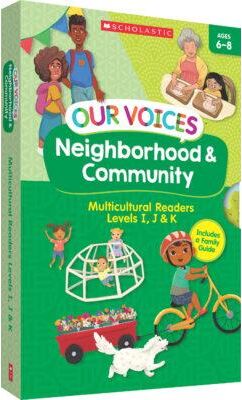
Our Voices: Neighborhood & Community Boxed SetFoster a feeling of belonging while building key reading skills with these colorful storybooks that spotlight a variety of neighborhoods and communities. The 10 charming stories feature characters from different cultural backgrounds who learn about...30,59 $*Shipping: 0,00 $Secure redirect to the provider
-
NIVEA SUN set for sun exposureNIVEA SUN, 0 , After-Sun Care for Women, Everything for beautiful-looking skin all in one package. The NIVEA SUN beauty gift set contains not one but several products to help you create or enrich your daily beauty routine and make you or your loved ones happy to receive it as a gift. The set contains: NIVEA SUN Protect & Dry Touch invisible sun spray SPF 50 200 ml NIVEA SUN After Sun moisturising after sun lotion with aloe vera 400 ml Characteristics: for a comprehensive skin care routine protects skin against UVA and UVB radiation gives skin the hydration it needs provides deep nourishment to sun-stressed skin a set at a favourable price How to use: Use every product from the cosmetic set according to the instructions.19,00 £*Shipping: 3,99 £Secure redirect to the provider
-
Uplifted Finds Predatory Engagement Wrestling Puppet Hub Predatory Engagement Wrestling Puppet HubTransform interactive play with the PredatoryEngagement Puppet, a professionalgrade interaction module engineered with manualsimulation logic. This highutility tool features a reinforced plush architecture and poseable limbs, specifically designed...85,97 $*Shipping: 0,00 $Secure redirect to the provider
-
How can soil salinization be avoided?
Soil salinization can be avoided by implementing proper irrigation practices, such as using drip irrigation or precision watering techniques to prevent excessive salt buildup in the soil. Additionally, planting salt-tolerant crops and rotating crops can help to mitigate the effects of salinization. Proper drainage systems and land management practices can also help to prevent the accumulation of salts in the soil. Finally, reducing the use of chemical fertilizers and using organic amendments can help to maintain soil health and prevent salinization. **
-
How does soil salinization occur in dry areas?
Soil salinization occurs in dry areas when the rate of evaporation exceeds the rate of precipitation, leading to the accumulation of salts in the soil. As water evaporates from the soil surface, it leaves behind salts that are naturally present in the soil or are brought up from deeper layers. Over time, these salts can build up to levels that are harmful to plants, impacting their growth and productivity. Additionally, poor drainage in dry areas can exacerbate soil salinization by preventing excess salts from being leached out of the soil profile. **
-
How does soil salinization occur in arid areas?
Soil salinization occurs in arid areas primarily due to the lack of rainfall and high evaporation rates, which concentrate salts in the soil. When water evaporates from the soil surface, it leaves behind salts that accumulate over time. Additionally, irrigation practices in arid regions can contribute to soil salinization when water containing dissolved salts is applied to the soil and evaporates, leaving the salts behind. Over time, the buildup of salts can reach levels that are harmful to plant growth and soil health. **
-
Can someone please help me with explaining soil salinization?
Soil salinization is the process by which salt accumulates in the soil to levels that can negatively impact plant growth. This can occur naturally in arid regions where evaporation rates exceed precipitation, leaving behind salt deposits. Human activities such as irrigation with salty water or the use of fertilizers containing salts can also contribute to soil salinization. The excess salt in the soil can disrupt the osmotic balance of plants, making it difficult for them to take up water and nutrients, ultimately leading to reduced crop yields and degraded soil quality. **
Similar search terms for Salinization
-
Cokin NX Series Long Exposure Filter Kit #KIT12NXSNX Filter Folder Features Use with ultra-wide-angle lenses up to 16mm without vignetting Compatible with Z-pro adapter rings and select filters Use up to 3 filters: (2) 100mm wide filters + Polarizer Lightweight and intuitive design Integrated gasket prevents light leaks Dedicated polarizer rotation wheel NX Circular Polarizer Filter Features Compatible with NX Filter Holder only Absorbs 1 f-stop of light Schott B270 glass Anti-reflective multi coatings Scratch and oil resistant hardened topcoat263,99 £*Shipping: 0,00 £Secure redirect to the provider
-
Medavita Solarich Travel Set travel set for sun exposureMedavita Solarich Travel Set, 3 pc, After-Sun Care for Women, The set contains: Medavita Solarich Hair&Body; Restructuring After-Sun Shower Gel shower gel for body and hair 55 ml Medavita Solarich Intensive Restructuring After-Sun Hair Mask hydrating hair mask 50 ml Medavita Solarich Sunshine Summer Hair&Body; Oil protective oil for body and hair 50 ml Characteristics: washes out any remnants of salt and chlorine puts hair right after it has been in salty or chlorinated water intensifies and prolongs your tan gives a feeling of freshness hydrates the skin24,60 £*Shipping: 3,99 £Secure redirect to the provider
-
What are the effects of irrigation and soil salinization?
Irrigation can have both positive and negative effects on soil. On one hand, it can increase crop yields and support agricultural production in areas with limited rainfall. However, over-irrigation can lead to waterlogging and soil salinization. Soil salinization occurs when the salt content in the soil increases to a level that is harmful to plant growth. This can lead to reduced crop yields, loss of biodiversity, and degradation of soil quality. Additionally, soil salinization can also affect the availability of water for irrigation and other agricultural activities. **
-
What is soil salinization and how can soil be irrigated?
Soil salinization is the accumulation of salts in the soil, which can negatively impact plant growth and crop productivity. To irrigate soil and help manage salinity levels, farmers can use techniques such as drip irrigation, which delivers water directly to the plant roots in a controlled manner, reducing the risk of salt buildup. Additionally, farmers can implement practices like leaching, where excess water is applied to the soil to flush out accumulated salts, helping to restore the soil's natural balance. **
-
Does soil salinization occur with every irrigation in arid areas?
Soil salinization does not necessarily occur with every irrigation in arid areas, but it is a common problem in these regions. When water is applied to the soil in arid areas, it can evaporate quickly, leaving behind salts that can accumulate over time and lead to salinization. Factors such as the quality of the irrigation water, the frequency of irrigation, and the drainage capacity of the soil can all influence the likelihood of salinization occurring. Proper management practices, such as using high-quality water and implementing effective drainage systems, can help mitigate the risk of soil salinization in arid areas. **
-
What is soil salinization and how can the soil be irrigated?
Soil salinization is the accumulation of salts in the soil, which can negatively impact plant growth and crop productivity. This occurs when the natural process of salt accumulation in the soil exceeds the rate of salt removal. To irrigate the soil and reduce salinization, several methods can be used. One common method is leaching, where excess salts are flushed out of the soil by applying large amounts of water. Another method is to use salt-tolerant crops that can withstand the high salt levels in the soil. Additionally, improving drainage and using more efficient irrigation techniques can help prevent further soil salinization. **
* All prices are inclusive of VAT and, if applicable, plus shipping costs. The offer information is based on the details provided by the respective shop and is updated through automated processes. Real-time updates do not occur, so deviations can occur in individual cases. ** Note: Parts of this content were created by AI.