Buy morefollowers.eu ?
We are moving the project
morefollowers.eu .
Are you interested in purchasing the domain
morefollowers.eu ?
domain@kv-gmbh.de · 0541-91531010
Buy morefollowers.eu ?
Who is familiar with the houseplant Dieffenbachia (Dieffenbachia)?
Dieffenbachia is a popular houseplant, so many people who are interested in gardening or indoor plants are familiar with it. Additionally, those who work in plant nurseries, garden centers, or florists are likely to be familiar with Dieffenbachia. Furthermore, individuals who have a passion for collecting and caring for houseplants are also likely to be familiar with this species. **
Can a Dieffenbachia bloom?
Dieffenbachia plants can bloom, but it is relatively rare for them to do so when grown as houseplants. The flowers of a Dieffenbachia are small and inconspicuous, often hidden by the plant's large, showy leaves. In their natural habitat, Dieffenbachia plants can produce a spadix, which is a type of inflorescence, but this is uncommon in indoor settings. If a Dieffenbachia does bloom, it is usually a sign that the plant is happy and healthy in its environment. **
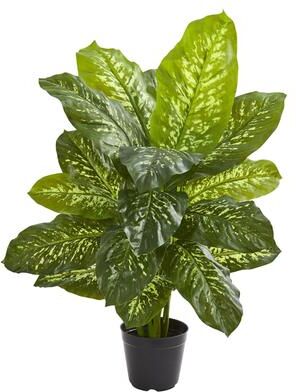

Similar search terms for Nearly-Natural-34-Dieffenbachia
Top-Angebote
Products related to Nearly-Natural-34-Dieffenbachia:
-
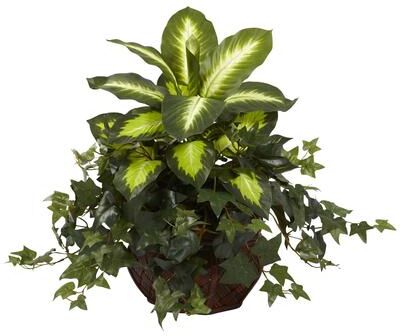
Nearly Natural Dieffenbachia and Ivy in Decorative PlanterA bold combination of bright, variegated dieffenbachia leaves fixed among dense, lush ivy inspires a cheery pairing of color and texture that will jazz up any room in your home or office. This beautiful silk plant never needs watering.59,24 $*Shipping: 0,00 $Secure redirect to the provider

-
What is natural radiation exposure?
Natural radiation exposure refers to the exposure of humans to ionizing radiation that occurs naturally in the environment. This can come from sources such as cosmic radiation from space, radon gas from the earth, and radioactive materials in the soil and rocks. Natural radiation exposure is a common and unavoidable part of everyday life, and the level of exposure can vary depending on factors such as location, altitude, and geological composition of the area. While natural radiation exposure is generally low and not harmful in normal circumstances, it is important to be aware of potential sources and take precautions to minimize exposure when necessary. **
-
What are aerial roots in Dieffenbachia?
Aerial roots in Dieffenbachia are specialized roots that grow above the ground and are used for support and anchorage. They are often found on the stems of the plant and can grow into the surrounding air. These roots help the plant to stabilize itself and absorb moisture and nutrients from the air. Aerial roots are a natural adaptation of Dieffenbachia to its environment, allowing it to thrive in its natural habitat. **
-
Does the Dieffenbachia have yellow leaves?
Yes, the Dieffenbachia plant can develop yellow leaves for a variety of reasons. This could be due to overwatering, underwatering, inadequate light, or nutrient deficiencies. It's important to monitor the plant's care and environment to ensure it remains healthy and vibrant. If the leaves continue to turn yellow, it may be necessary to adjust the plant's care routine or seek advice from a plant care professional. **
-
Has the Dieffenbachia Reflector broken off?
I'm sorry, but I don't have the ability to physically check if the Dieffenbachia Reflector has broken off. If you have the plant in front of you, I would recommend examining it closely to see if any part of it has broken off. If it has, you may need to take steps to care for the plant and potentially propagate the broken piece to grow a new plant. **


Why is my Dieffenbachia getting brown spots?
Brown spots on a Dieffenbachia plant can be caused by a few different factors. One common reason is overwatering, which can lead to root rot and cause the leaves to develop brown spots. Another possible cause is too much direct sunlight, as Dieffenbachia prefers bright, indirect light. Additionally, low humidity levels or drafts can also contribute to the development of brown spots on the leaves. It's important to assess the plant's watering, lighting, and environmental conditions to determine the cause of the issue and make any necessary adjustments to help the plant thrive. **
How much water does a Dieffenbachia need?
Dieffenbachia plants require consistently moist soil, but they do not like to be waterlogged. It is important to allow the top inch of soil to dry out between waterings to prevent overwatering. Typically, watering the Dieffenbachia once a week should be sufficient, but this may vary depending on the specific conditions of the plant's environment. It is important to monitor the soil moisture and adjust the watering frequency accordingly. **
Top-Angebote
Products related to Nearly-Natural-34-Dieffenbachia:
-
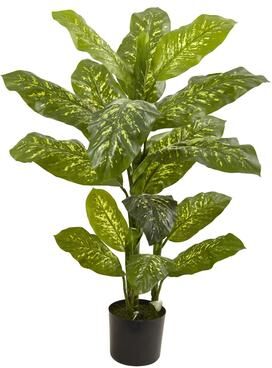
Nearly Natural "42"" Dieffenbachia Artificial Plant (Real Touch)"Several light and dark green variegated leaves that feel real to the touch makes up this dieffenbachia artificial plant. Its simple, elegant appearance makes it an ideal addition to a minimalist-styled home.83,99 $*Shipping: 0,00 $Secure redirect to the provider
-
Who is familiar with the houseplant Dieffenbachia (Dieffenbachia)?
Dieffenbachia is a popular houseplant, so many people who are interested in gardening or indoor plants are familiar with it. Additionally, those who work in plant nurseries, garden centers, or florists are likely to be familiar with Dieffenbachia. Furthermore, individuals who have a passion for collecting and caring for houseplants are also likely to be familiar with this species. **
-
Can a Dieffenbachia bloom?
Dieffenbachia plants can bloom, but it is relatively rare for them to do so when grown as houseplants. The flowers of a Dieffenbachia are small and inconspicuous, often hidden by the plant's large, showy leaves. In their natural habitat, Dieffenbachia plants can produce a spadix, which is a type of inflorescence, but this is uncommon in indoor settings. If a Dieffenbachia does bloom, it is usually a sign that the plant is happy and healthy in its environment. **
-
What is natural radiation exposure?
Natural radiation exposure refers to the exposure of humans to ionizing radiation that occurs naturally in the environment. This can come from sources such as cosmic radiation from space, radon gas from the earth, and radioactive materials in the soil and rocks. Natural radiation exposure is a common and unavoidable part of everyday life, and the level of exposure can vary depending on factors such as location, altitude, and geological composition of the area. While natural radiation exposure is generally low and not harmful in normal circumstances, it is important to be aware of potential sources and take precautions to minimize exposure when necessary. **
-
What are aerial roots in Dieffenbachia?
Aerial roots in Dieffenbachia are specialized roots that grow above the ground and are used for support and anchorage. They are often found on the stems of the plant and can grow into the surrounding air. These roots help the plant to stabilize itself and absorb moisture and nutrients from the air. Aerial roots are a natural adaptation of Dieffenbachia to its environment, allowing it to thrive in its natural habitat. **
Similar search terms for Nearly-Natural-34-Dieffenbachia
-
Nearly Natural Dieffenbachia and Ivy in Decorative PlanterA bold combination of bright, variegated dieffenbachia leaves fixed among dense, lush ivy inspires a cheery pairing of color and texture that will jazz up any room in your home or office. This beautiful silk plant never needs watering.59,24 $*Shipping: 0,00 $Secure redirect to the provider
-
Does the Dieffenbachia have yellow leaves?
Yes, the Dieffenbachia plant can develop yellow leaves for a variety of reasons. This could be due to overwatering, underwatering, inadequate light, or nutrient deficiencies. It's important to monitor the plant's care and environment to ensure it remains healthy and vibrant. If the leaves continue to turn yellow, it may be necessary to adjust the plant's care routine or seek advice from a plant care professional. **
-
Has the Dieffenbachia Reflector broken off?
I'm sorry, but I don't have the ability to physically check if the Dieffenbachia Reflector has broken off. If you have the plant in front of you, I would recommend examining it closely to see if any part of it has broken off. If it has, you may need to take steps to care for the plant and potentially propagate the broken piece to grow a new plant. **
-
Why is my Dieffenbachia getting brown spots?
Brown spots on a Dieffenbachia plant can be caused by a few different factors. One common reason is overwatering, which can lead to root rot and cause the leaves to develop brown spots. Another possible cause is too much direct sunlight, as Dieffenbachia prefers bright, indirect light. Additionally, low humidity levels or drafts can also contribute to the development of brown spots on the leaves. It's important to assess the plant's watering, lighting, and environmental conditions to determine the cause of the issue and make any necessary adjustments to help the plant thrive. **
-
How much water does a Dieffenbachia need?
Dieffenbachia plants require consistently moist soil, but they do not like to be waterlogged. It is important to allow the top inch of soil to dry out between waterings to prevent overwatering. Typically, watering the Dieffenbachia once a week should be sufficient, but this may vary depending on the specific conditions of the plant's environment. It is important to monitor the soil moisture and adjust the watering frequency accordingly. **
* All prices are inclusive of VAT and, if applicable, plus shipping costs. The offer information is based on the details provided by the respective shop and is updated through automated processes. Real-time updates do not occur, so deviations can occur in individual cases. ** Note: Parts of this content were created by AI.