Buy morefollowers.eu ?
We are moving the project
morefollowers.eu .
Are you interested in purchasing the domain
morefollowers.eu ?
domain@kv-gmbh.de · 0541-91531010
Buy morefollowers.eu ?
What is the difference between Meiosis 1 and Meiosis 2?
Meiosis 1 is the first stage of meiosis, during which homologous chromosomes separate, resulting in two daughter cells with half the number of chromosomes as the original cell. Meiosis 2 is the second stage of meiosis, during which sister chromatids separate, resulting in four daughter cells, each with half the number of chromosomes as the original cell. In Meiosis 1, genetic recombination occurs through crossing over, while in Meiosis 2, the main process is the separation of sister chromatids. **
What does meiosis mean?
Meiosis is a type of cell division that occurs in sexually reproducing organisms. It involves two rounds of cell division resulting in the production of four daughter cells, each with half the number of chromosomes as the parent cell. This process is essential for the formation of gametes (sperm and egg cells) and ensures genetic diversity in offspring. Meiosis also allows for the shuffling and recombination of genetic material, leading to variation among individuals. **

Similar search terms for Meiosis
Top-Angebote
Products related to Meiosis:
-
Uplifted Finds Predatory Engagement Wrestling Puppet Hub Predatory Engagement Wrestling Puppet HubTransform interactive play with the PredatoryEngagement Puppet, a professionalgrade interaction module engineered with manualsimulation logic. This highutility tool features a reinforced plush architecture and poseable limbs, specifically designed...85,97 $*Shipping: 0,00 $Secure redirect to the provider




-
What is meiosis 2?
Meiosis 2 is the second stage of meiosis, a type of cell division that produces gametes (sperm and egg cells) in sexually reproducing organisms. In meiosis 2, the two daughter cells produced in meiosis 1 undergo a second round of division, resulting in the formation of four haploid cells. This process helps to ensure genetic diversity by shuffling genetic material and reducing the chromosome number in half. Meiosis 2 is essential for sexual reproduction and the production of genetically unique offspring. **
-
What is Meiosis 4?
Meiosis 4 is the final stage of meiosis, a type of cell division that results in the formation of gametes (sperm and egg cells) in sexually reproducing organisms. During meiosis 4, the two daughter cells produced in meiosis 2 divide again, resulting in a total of four haploid gametes. This process is essential for genetic diversity and the production of reproductive cells with half the number of chromosomes as the parent cell. **
-
What is Meiosis 18?
Meiosis 18 is a hypothetical process that does not occur in nature. Meiosis is a type of cell division that reduces the chromosome number by half, resulting in the formation of gametes (sperm and egg cells) in sexually reproducing organisms. However, meiosis typically only involves two rounds of cell division, resulting in four daughter cells with half the number of chromosomes as the parent cell. The concept of Meiosis 18 is not biologically accurate and is not a recognized stage of cell division. **
-
What is Meiosis 14?
Meiosis 14 is not a recognized or scientifically accepted term in biology. Meiosis is a type of cell division that results in four daughter cells with half the number of chromosomes as the parent cell. It is a crucial process in sexual reproduction, where genetic diversity is generated. The term "Meiosis 14" may be a misunderstanding or misinterpretation of the actual process of meiosis. **


What is meiosis and mitosis?
Meiosis is a type of cell division that occurs in sexually reproducing organisms, resulting in the formation of gametes (sperm and egg cells) with half the number of chromosomes as the parent cell. This process involves two rounds of division, resulting in four daughter cells that are genetically different from each other and the parent cell. Mitosis, on the other hand, is a type of cell division that occurs in somatic cells, resulting in the production of two identical daughter cells with the same number of chromosomes as the parent cell. This process is essential for growth, repair, and asexual reproduction in organisms. Both meiosis and mitosis are crucial for maintaining genetic diversity and proper cell function in living organisms. **
When exactly does meiosis occur?
Meiosis occurs during the process of sexual reproduction in eukaryotic organisms. It specifically occurs in the reproductive cells, such as sperm and egg cells, where the cells undergo two rounds of cell division to produce four haploid cells. This process is essential for genetic diversity and the formation of gametes for sexual reproduction. Meiosis typically occurs during the formation of gametes in organisms, such as during the development of sperm in males and the development of eggs in females. **
Top-Angebote
Products related to Meiosis:
-
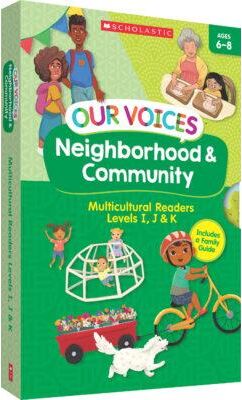
Our Voices: Neighborhood & Community Boxed SetFoster a feeling of belonging while building key reading skills with these colorful storybooks that spotlight a variety of neighborhoods and communities. The 10 charming stories feature characters from different cultural backgrounds who learn about...30,59 $*Shipping: 0,00 $Secure redirect to the provider
-
NIVEA SUN set for sun exposureNIVEA SUN, 0 , After-Sun Care for Women, Everything for beautiful-looking skin all in one package. The NIVEA SUN beauty gift set contains not one but several products to help you create or enrich your daily beauty routine and make you or your loved ones happy to receive it as a gift. The set contains: NIVEA SUN Protect & Dry Touch invisible sun spray SPF 50 200 ml NIVEA SUN After Sun moisturising after sun lotion with aloe vera 400 ml Characteristics: for a comprehensive skin care routine protects skin against UVA and UVB radiation gives skin the hydration it needs provides deep nourishment to sun-stressed skin a set at a favourable price How to use: Use every product from the cosmetic set according to the instructions.19,00 £*Shipping: 3,99 £Secure redirect to the provider
-
Uplifted Finds Predatory Engagement Wrestling Puppet Hub Predatory Engagement Wrestling Puppet HubTransform interactive play with the PredatoryEngagement Puppet, a professionalgrade interaction module engineered with manualsimulation logic. This highutility tool features a reinforced plush architecture and poseable limbs, specifically designed...85,97 $*Shipping: 0,00 $Secure redirect to the provider
-
What is the difference between Meiosis 1 and Meiosis 2?
Meiosis 1 is the first stage of meiosis, during which homologous chromosomes separate, resulting in two daughter cells with half the number of chromosomes as the original cell. Meiosis 2 is the second stage of meiosis, during which sister chromatids separate, resulting in four daughter cells, each with half the number of chromosomes as the original cell. In Meiosis 1, genetic recombination occurs through crossing over, while in Meiosis 2, the main process is the separation of sister chromatids. **
-
What does meiosis mean?
Meiosis is a type of cell division that occurs in sexually reproducing organisms. It involves two rounds of cell division resulting in the production of four daughter cells, each with half the number of chromosomes as the parent cell. This process is essential for the formation of gametes (sperm and egg cells) and ensures genetic diversity in offspring. Meiosis also allows for the shuffling and recombination of genetic material, leading to variation among individuals. **
-
What is meiosis 2?
Meiosis 2 is the second stage of meiosis, a type of cell division that produces gametes (sperm and egg cells) in sexually reproducing organisms. In meiosis 2, the two daughter cells produced in meiosis 1 undergo a second round of division, resulting in the formation of four haploid cells. This process helps to ensure genetic diversity by shuffling genetic material and reducing the chromosome number in half. Meiosis 2 is essential for sexual reproduction and the production of genetically unique offspring. **
-
What is Meiosis 4?
Meiosis 4 is the final stage of meiosis, a type of cell division that results in the formation of gametes (sperm and egg cells) in sexually reproducing organisms. During meiosis 4, the two daughter cells produced in meiosis 2 divide again, resulting in a total of four haploid gametes. This process is essential for genetic diversity and the production of reproductive cells with half the number of chromosomes as the parent cell. **
Similar search terms for Meiosis
-
Touch of Class Connections Abstract Wall Art Gold , GoldAbstract beauty shines from the Connections Metal Wall Art in a grand eclectic affair. Reflecting the light at various angles, each metal geometric piece features a radiant gold leaf finish that shimmers with metallic splendor from the open...59,99 $*Shipping: 13,95 $Secure redirect to the provider
-
Style Haven Global Influence Floral Medallion Area RugComplement the luxe vibe in your high-end interiors with this Global Influence floral medallion area rug. Featuring red and Beige, Cream hues for statement-making style, this area rug is machine-made from polypropylene for long-wearing appeal.377,49 $*Shipping: 0,00 $Secure redirect to the provider
-
What is Meiosis 18?
Meiosis 18 is a hypothetical process that does not occur in nature. Meiosis is a type of cell division that reduces the chromosome number by half, resulting in the formation of gametes (sperm and egg cells) in sexually reproducing organisms. However, meiosis typically only involves two rounds of cell division, resulting in four daughter cells with half the number of chromosomes as the parent cell. The concept of Meiosis 18 is not biologically accurate and is not a recognized stage of cell division. **
-
What is Meiosis 14?
Meiosis 14 is not a recognized or scientifically accepted term in biology. Meiosis is a type of cell division that results in four daughter cells with half the number of chromosomes as the parent cell. It is a crucial process in sexual reproduction, where genetic diversity is generated. The term "Meiosis 14" may be a misunderstanding or misinterpretation of the actual process of meiosis. **
-
What is meiosis and mitosis?
Meiosis is a type of cell division that occurs in sexually reproducing organisms, resulting in the formation of gametes (sperm and egg cells) with half the number of chromosomes as the parent cell. This process involves two rounds of division, resulting in four daughter cells that are genetically different from each other and the parent cell. Mitosis, on the other hand, is a type of cell division that occurs in somatic cells, resulting in the production of two identical daughter cells with the same number of chromosomes as the parent cell. This process is essential for growth, repair, and asexual reproduction in organisms. Both meiosis and mitosis are crucial for maintaining genetic diversity and proper cell function in living organisms. **
-
When exactly does meiosis occur?
Meiosis occurs during the process of sexual reproduction in eukaryotic organisms. It specifically occurs in the reproductive cells, such as sperm and egg cells, where the cells undergo two rounds of cell division to produce four haploid cells. This process is essential for genetic diversity and the formation of gametes for sexual reproduction. Meiosis typically occurs during the formation of gametes in organisms, such as during the development of sperm in males and the development of eggs in females. **
* All prices are inclusive of VAT and, if applicable, plus shipping costs. The offer information is based on the details provided by the respective shop and is updated through automated processes. Real-time updates do not occur, so deviations can occur in individual cases. ** Note: Parts of this content were created by AI.