Buy morefollowers.eu ?
We are moving the project
morefollowers.eu .
Are you interested in purchasing the domain
morefollowers.eu ?
domain@kv-gmbh.de · 0541-91531010
Buy morefollowers.eu ?
What is the difference between Economies of Scale and Economies of Scope?
Economies of scale refer to the cost advantages that a business can achieve as it increases its level of production. This can result from factors such as spreading fixed costs over a larger output, bulk purchasing discounts, and more efficient use of resources. On the other hand, economies of scope refer to the cost advantages that arise from producing a variety of products or services together, rather than just one. This can result from shared resources, such as marketing and distribution channels, as well as the ability to leverage a company's core competencies across multiple products or services. **
What are the Tiger economies?
The Tiger economies refer to the highly developed and industrialized economies of East Asia, including South Korea, Taiwan, Singapore, and Hong Kong. These countries experienced rapid economic growth and industrialization in the latter half of the 20th century, transforming from agrarian-based economies to industrial powerhouses. The term "Tiger economies" is derived from the "Four Asian Tigers," which originally referred to South Korea, Taiwan, Singapore, and Hong Kong, but has since been expanded to include other rapidly developing economies in the region. These countries are known for their export-oriented growth strategies, strong manufacturing sectors, and high levels of technological innovation. **

Similar search terms for Economies
Top-Angebote
Products related to Economies:
-
Uplifted Finds Predatory Engagement Wrestling Puppet Hub Predatory Engagement Wrestling Puppet HubTransform interactive play with the PredatoryEngagement Puppet, a professionalgrade interaction module engineered with manualsimulation logic. This highutility tool features a reinforced plush architecture and poseable limbs, specifically designed...85,97 $*Shipping: 0,00 $Secure redirect to the provider



-
Are the Tiger economies emerging markets?
Yes, the Tiger economies are considered emerging markets. The term "Tiger economies" refers to the rapidly growing economies of South Korea, Taiwan, Singapore, and Hong Kong. These countries have experienced rapid industrialization, export-led growth, and technological advancement, leading to significant economic development. While they have made great strides in their economic growth, they are still considered emerging markets due to their ongoing development and potential for further growth and expansion. **
-
What are the similarities between planned and market economies?
Both planned and market economies aim to allocate resources efficiently to meet the needs of the society. Both systems involve the production and distribution of goods and services to fulfill demand. Additionally, both systems involve some level of government intervention, with planned economies having more centralized control and market economies having more decentralized decision-making. Both systems also aim to achieve economic growth and improve the standard of living for their citizens. **
-
What is the difference between emerging economies and developing countries?
Emerging economies refer to countries that are experiencing rapid industrialization and growth, often transitioning from a low-income to a middle-income status. Developing countries, on the other hand, are nations that are still in the early stages of economic development, with lower levels of income, infrastructure, and industrialization. While all emerging economies are developing countries, not all developing countries are considered emerging economies. Emerging economies typically have higher growth rates and more advanced industries compared to developing countries. **
-
Can the economies of Sweden and China be easily compared?
The economies of Sweden and China cannot be easily compared due to their significant differences in size, structure, and development. Sweden has a small, open, and highly developed economy with a focus on innovation, technology, and high-value exports. On the other hand, China has a large, diverse, and rapidly growing economy with a focus on manufacturing, infrastructure development, and export-led growth. Additionally, Sweden has a strong welfare state and high levels of income equality, while China has a more diverse income distribution and a different approach to social welfare. Overall, the differences in size, structure, and development make it challenging to directly compare the economies of Sweden and China. **


What is the difference between developing countries and emerging economies?
Developing countries and emerging economies are often used interchangeably, but there is a subtle difference between the two. Developing countries typically refer to nations with low levels of industrialization, low per capita income, and high poverty rates. On the other hand, emerging economies are countries that are experiencing rapid economic growth, industrialization, and modernization, and are moving towards becoming developed nations. Emerging economies often have higher levels of foreign direct investment, infrastructure development, and technological advancement compared to developing countries. **
What is the definition of economies of scale and scale revenues?
Economies of scale refer to the cost advantages that a business can achieve as it increases its level of production. This means that as a company produces more goods or services, the average cost of producing each unit decreases. Scale revenues, on the other hand, refer to the increase in total revenue that a company experiences as it grows and expands its operations. This increase in revenue is often a result of capturing a larger market share and benefiting from the cost advantages of economies of scale. **
Top-Angebote
Products related to Economies:
-
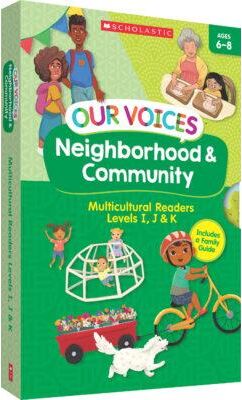
Our Voices: Neighborhood & Community Boxed SetFoster a feeling of belonging while building key reading skills with these colorful storybooks that spotlight a variety of neighborhoods and communities. The 10 charming stories feature characters from different cultural backgrounds who learn about...30,59 $*Shipping: 0,00 $Secure redirect to the provider
-
NIVEA SUN set for sun exposureNIVEA SUN, 0 , After-Sun Care for Women, Everything for beautiful-looking skin all in one package. The NIVEA SUN beauty gift set contains not one but several products to help you create or enrich your daily beauty routine and make you or your loved ones happy to receive it as a gift. The set contains: NIVEA SUN Protect & Dry Touch invisible sun spray SPF 50 200 ml NIVEA SUN After Sun moisturising after sun lotion with aloe vera 400 ml Characteristics: for a comprehensive skin care routine protects skin against UVA and UVB radiation gives skin the hydration it needs provides deep nourishment to sun-stressed skin a set at a favourable price How to use: Use every product from the cosmetic set according to the instructions.19,00 £*Shipping: 3,99 £Secure redirect to the provider
-
Uplifted Finds Predatory Engagement Wrestling Puppet Hub Predatory Engagement Wrestling Puppet HubTransform interactive play with the PredatoryEngagement Puppet, a professionalgrade interaction module engineered with manualsimulation logic. This highutility tool features a reinforced plush architecture and poseable limbs, specifically designed...85,97 $*Shipping: 0,00 $Secure redirect to the provider
-
What is the difference between Economies of Scale and Economies of Scope?
Economies of scale refer to the cost advantages that a business can achieve as it increases its level of production. This can result from factors such as spreading fixed costs over a larger output, bulk purchasing discounts, and more efficient use of resources. On the other hand, economies of scope refer to the cost advantages that arise from producing a variety of products or services together, rather than just one. This can result from shared resources, such as marketing and distribution channels, as well as the ability to leverage a company's core competencies across multiple products or services. **
-
What are the Tiger economies?
The Tiger economies refer to the highly developed and industrialized economies of East Asia, including South Korea, Taiwan, Singapore, and Hong Kong. These countries experienced rapid economic growth and industrialization in the latter half of the 20th century, transforming from agrarian-based economies to industrial powerhouses. The term "Tiger economies" is derived from the "Four Asian Tigers," which originally referred to South Korea, Taiwan, Singapore, and Hong Kong, but has since been expanded to include other rapidly developing economies in the region. These countries are known for their export-oriented growth strategies, strong manufacturing sectors, and high levels of technological innovation. **
-
Are the Tiger economies emerging markets?
Yes, the Tiger economies are considered emerging markets. The term "Tiger economies" refers to the rapidly growing economies of South Korea, Taiwan, Singapore, and Hong Kong. These countries have experienced rapid industrialization, export-led growth, and technological advancement, leading to significant economic development. While they have made great strides in their economic growth, they are still considered emerging markets due to their ongoing development and potential for further growth and expansion. **
-
What are the similarities between planned and market economies?
Both planned and market economies aim to allocate resources efficiently to meet the needs of the society. Both systems involve the production and distribution of goods and services to fulfill demand. Additionally, both systems involve some level of government intervention, with planned economies having more centralized control and market economies having more decentralized decision-making. Both systems also aim to achieve economic growth and improve the standard of living for their citizens. **
Similar search terms for Economies
-
Touch of Class Connections Abstract Wall Art Gold , GoldAbstract beauty shines from the Connections Metal Wall Art in a grand eclectic affair. Reflecting the light at various angles, each metal geometric piece features a radiant gold leaf finish that shimmers with metallic splendor from the open...59,99 $*Shipping: 13,95 $Secure redirect to the provider
-
Jeffree Star Cosmetics Velour Liquid Lipstick liquid lipstick shade Gated Community 5.6 mlJeffree Star Cosmetics Velour Liquid Lipstick, 5.6 ml, Lipsticks for Women, Beautifully accentuated lips never go out of style. The Jeffree Star Cosmetics Velour Liquid Lipstick lipstick envelops the surface of your lips in a continuous layer of irresistible and rich colour, accentuating any makeup look perfectly, whether you’re heading to work, a meeting or a party. It allows you to emphasise your lips while also giving them the shape you want or a fuller look. In just a moment, it will give your lips a gorgeous colour and perfect shape, making them the centre of attention and irresistibly kissable. Characteristics: matte effect long-lasting washes out easily Ingredients: vegan product How to use: Apply lipstick to lips from the centre to the corners using gentle strokes.13,30 £*Shipping: 3,99 £Secure redirect to the provider
-
What is the difference between emerging economies and developing countries?
Emerging economies refer to countries that are experiencing rapid industrialization and growth, often transitioning from a low-income to a middle-income status. Developing countries, on the other hand, are nations that are still in the early stages of economic development, with lower levels of income, infrastructure, and industrialization. While all emerging economies are developing countries, not all developing countries are considered emerging economies. Emerging economies typically have higher growth rates and more advanced industries compared to developing countries. **
-
Can the economies of Sweden and China be easily compared?
The economies of Sweden and China cannot be easily compared due to their significant differences in size, structure, and development. Sweden has a small, open, and highly developed economy with a focus on innovation, technology, and high-value exports. On the other hand, China has a large, diverse, and rapidly growing economy with a focus on manufacturing, infrastructure development, and export-led growth. Additionally, Sweden has a strong welfare state and high levels of income equality, while China has a more diverse income distribution and a different approach to social welfare. Overall, the differences in size, structure, and development make it challenging to directly compare the economies of Sweden and China. **
-
What is the difference between developing countries and emerging economies?
Developing countries and emerging economies are often used interchangeably, but there is a subtle difference between the two. Developing countries typically refer to nations with low levels of industrialization, low per capita income, and high poverty rates. On the other hand, emerging economies are countries that are experiencing rapid economic growth, industrialization, and modernization, and are moving towards becoming developed nations. Emerging economies often have higher levels of foreign direct investment, infrastructure development, and technological advancement compared to developing countries. **
-
What is the definition of economies of scale and scale revenues?
Economies of scale refer to the cost advantages that a business can achieve as it increases its level of production. This means that as a company produces more goods or services, the average cost of producing each unit decreases. Scale revenues, on the other hand, refer to the increase in total revenue that a company experiences as it grows and expands its operations. This increase in revenue is often a result of capturing a larger market share and benefiting from the cost advantages of economies of scale. **
* All prices are inclusive of VAT and, if applicable, plus shipping costs. The offer information is based on the details provided by the respective shop and is updated through automated processes. Real-time updates do not occur, so deviations can occur in individual cases. ** Note: Parts of this content were created by AI.