Buy morefollowers.eu ?
We are moving the project
morefollowers.eu .
Are you interested in purchasing the domain
morefollowers.eu ?
domain@kv-gmbh.de · 0541-91531010
Buy morefollowers.eu ?
What are compulsions?
Compulsions are repetitive behaviors or mental acts that a person feels driven to perform in response to an obsession or according to rigid rules. These behaviors are often aimed at reducing distress or preventing a feared event or situation. Compulsions can vary widely in nature and can include actions such as hand washing, checking, counting, or repeating words silently. They are a key feature of obsessive-compulsive disorder (OCD) and can significantly interfere with a person's daily life. **
Can one overcome compulsions?
Yes, it is possible to overcome compulsions with the right support and treatment. Cognitive-behavioral therapy (CBT) is a common approach that can help individuals identify and challenge their compulsive behaviors. Developing coping strategies, practicing mindfulness, and gradually exposing oneself to triggers can also be effective in managing and eventually overcoming compulsions. It may take time and effort, but with determination and the right tools, individuals can learn to control their compulsions and improve their quality of life. **


Similar search terms for Compulsions
Top-Angebote
Products related to Compulsions:
-
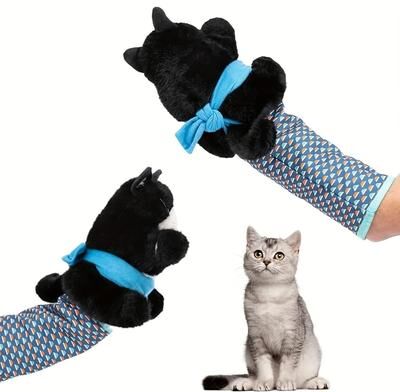
Uplifted Finds Predatory Engagement Wrestling Puppet Hub Predatory Engagement Wrestling Puppet HubTransform interactive play with the PredatoryEngagement Puppet, a professionalgrade interaction module engineered with manualsimulation logic. This highutility tool features a reinforced plush architecture and poseable limbs, specifically designed...85,97 $*Shipping: 0,00 $Secure redirect to the provider



-
What are disturbing compulsions?
Disturbing compulsions are repetitive behaviors or mental acts that a person feels driven to perform in response to an obsession or according to rigid rules. These compulsions are often distressing, time-consuming, and interfere with daily life. Examples of disturbing compulsions include excessive hand washing, checking, counting, or arranging objects in a specific way. People with disturbing compulsions may feel a temporary relief from anxiety or distress after performing the compulsion, but the cycle often continues. **
-
Do you have compulsions?
As an AI, I do not have the ability to have compulsions or engage in behaviors driven by compulsions. My responses are based on programmed algorithms and data, rather than personal experiences or impulses. **
-
Do psychopaths have compulsions?
Psychopaths do not typically have compulsions in the same way that individuals with obsessive-compulsive disorder (OCD) do. Compulsions in OCD are driven by anxiety and the need to alleviate distress, while psychopaths tend to have a lack of anxiety and remorse. However, psychopaths may exhibit impulsive behaviors and a lack of impulse control, which can lead to reckless and harmful actions. These behaviors are driven by a disregard for social norms and the well-being of others, rather than by compulsions. **
-
What are rumination compulsions?
Rumination compulsions are repetitive and intrusive thoughts or mental acts that a person feels driven to perform in response to obsessive thoughts or anxiety. These thoughts often involve reviewing past events or conversations, analyzing potential future scenarios, or seeking reassurance. People with rumination compulsions may feel unable to control or stop these thoughts, which can significantly impact their daily functioning and mental well-being. Treatment for rumination compulsions often involves cognitive-behavioral therapy and medication to help manage the symptoms. **


How does microdosing affect compulsions?
Microdosing, the practice of taking small amounts of psychedelics like LSD or psilocybin, has been reported to potentially reduce compulsions in some individuals. By promoting increased mindfulness and self-awareness, microdosing may help individuals better recognize and control their compulsive behaviors. Additionally, psychedelics have been shown to disrupt rigid patterns of thinking and behavior, potentially breaking the cycle of compulsions. However, it is important to note that more research is needed to fully understand the effects of microdosing on compulsions. **
What exactly are mental compulsions?
Mental compulsions are repetitive thoughts, images, or urges that a person feels driven to perform in response to an obsession or to prevent a feared event or situation. These mental rituals are often performed internally and are not visible to others. Examples of mental compulsions include counting, repeating phrases, seeking reassurance, or mentally reviewing events to prevent harm or reduce anxiety. Mental compulsions are a common feature of obsessive-compulsive disorder (OCD) and can be distressing and time-consuming for the individual. **
Top-Angebote
Products related to Compulsions:
-
Our Voices: Neighborhood & Community Boxed SetFoster a feeling of belonging while building key reading skills with these colorful storybooks that spotlight a variety of neighborhoods and communities. The 10 charming stories feature characters from different cultural backgrounds who learn about...30,59 $*Shipping: 0,00 $Secure redirect to the provider
-
NIVEA SUN set for sun exposureNIVEA SUN, 0 , After-Sun Care for Women, Everything for beautiful-looking skin all in one package. The NIVEA SUN beauty gift set contains not one but several products to help you create or enrich your daily beauty routine and make you or your loved ones happy to receive it as a gift. The set contains: NIVEA SUN Protect & Dry Touch invisible sun spray SPF 50 200 ml NIVEA SUN After Sun moisturising after sun lotion with aloe vera 400 ml Characteristics: for a comprehensive skin care routine protects skin against UVA and UVB radiation gives skin the hydration it needs provides deep nourishment to sun-stressed skin a set at a favourable price How to use: Use every product from the cosmetic set according to the instructions.19,00 £*Shipping: 3,99 £Secure redirect to the provider
-
Uplifted Finds Predatory Engagement Wrestling Puppet Hub Predatory Engagement Wrestling Puppet HubTransform interactive play with the PredatoryEngagement Puppet, a professionalgrade interaction module engineered with manualsimulation logic. This highutility tool features a reinforced plush architecture and poseable limbs, specifically designed...85,97 $*Shipping: 0,00 $Secure redirect to the provider
-
What are compulsions?
Compulsions are repetitive behaviors or mental acts that a person feels driven to perform in response to an obsession or according to rigid rules. These behaviors are often aimed at reducing distress or preventing a feared event or situation. Compulsions can vary widely in nature and can include actions such as hand washing, checking, counting, or repeating words silently. They are a key feature of obsessive-compulsive disorder (OCD) and can significantly interfere with a person's daily life. **
-
Can one overcome compulsions?
Yes, it is possible to overcome compulsions with the right support and treatment. Cognitive-behavioral therapy (CBT) is a common approach that can help individuals identify and challenge their compulsive behaviors. Developing coping strategies, practicing mindfulness, and gradually exposing oneself to triggers can also be effective in managing and eventually overcoming compulsions. It may take time and effort, but with determination and the right tools, individuals can learn to control their compulsions and improve their quality of life. **
-
What are disturbing compulsions?
Disturbing compulsions are repetitive behaviors or mental acts that a person feels driven to perform in response to an obsession or according to rigid rules. These compulsions are often distressing, time-consuming, and interfere with daily life. Examples of disturbing compulsions include excessive hand washing, checking, counting, or arranging objects in a specific way. People with disturbing compulsions may feel a temporary relief from anxiety or distress after performing the compulsion, but the cycle often continues. **
-
Do you have compulsions?
As an AI, I do not have the ability to have compulsions or engage in behaviors driven by compulsions. My responses are based on programmed algorithms and data, rather than personal experiences or impulses. **
Similar search terms for Compulsions
-
Touch of Class Connections Abstract Wall Art Gold , GoldAbstract beauty shines from the Connections Metal Wall Art in a grand eclectic affair. Reflecting the light at various angles, each metal geometric piece features a radiant gold leaf finish that shimmers with metallic splendor from the open...59,99 $*Shipping: 13,95 $Secure redirect to the provider
-
Jeffree Star Cosmetics Velour Liquid Lipstick liquid lipstick shade Gated Community 5.6 mlJeffree Star Cosmetics Velour Liquid Lipstick, 5.6 ml, Lipsticks for Women, Beautifully accentuated lips never go out of style. The Jeffree Star Cosmetics Velour Liquid Lipstick lipstick envelops the surface of your lips in a continuous layer of irresistible and rich colour, accentuating any makeup look perfectly, whether you’re heading to work, a meeting or a party. It allows you to emphasise your lips while also giving them the shape you want or a fuller look. In just a moment, it will give your lips a gorgeous colour and perfect shape, making them the centre of attention and irresistibly kissable. Characteristics: matte effect long-lasting washes out easily Ingredients: vegan product How to use: Apply lipstick to lips from the centre to the corners using gentle strokes.13,30 £*Shipping: 3,99 £Secure redirect to the provider
-
Do psychopaths have compulsions?
Psychopaths do not typically have compulsions in the same way that individuals with obsessive-compulsive disorder (OCD) do. Compulsions in OCD are driven by anxiety and the need to alleviate distress, while psychopaths tend to have a lack of anxiety and remorse. However, psychopaths may exhibit impulsive behaviors and a lack of impulse control, which can lead to reckless and harmful actions. These behaviors are driven by a disregard for social norms and the well-being of others, rather than by compulsions. **
-
What are rumination compulsions?
Rumination compulsions are repetitive and intrusive thoughts or mental acts that a person feels driven to perform in response to obsessive thoughts or anxiety. These thoughts often involve reviewing past events or conversations, analyzing potential future scenarios, or seeking reassurance. People with rumination compulsions may feel unable to control or stop these thoughts, which can significantly impact their daily functioning and mental well-being. Treatment for rumination compulsions often involves cognitive-behavioral therapy and medication to help manage the symptoms. **
-
How does microdosing affect compulsions?
Microdosing, the practice of taking small amounts of psychedelics like LSD or psilocybin, has been reported to potentially reduce compulsions in some individuals. By promoting increased mindfulness and self-awareness, microdosing may help individuals better recognize and control their compulsive behaviors. Additionally, psychedelics have been shown to disrupt rigid patterns of thinking and behavior, potentially breaking the cycle of compulsions. However, it is important to note that more research is needed to fully understand the effects of microdosing on compulsions. **
-
What exactly are mental compulsions?
Mental compulsions are repetitive thoughts, images, or urges that a person feels driven to perform in response to an obsession or to prevent a feared event or situation. These mental rituals are often performed internally and are not visible to others. Examples of mental compulsions include counting, repeating phrases, seeking reassurance, or mentally reviewing events to prevent harm or reduce anxiety. Mental compulsions are a common feature of obsessive-compulsive disorder (OCD) and can be distressing and time-consuming for the individual. **
* All prices are inclusive of VAT and, if applicable, plus shipping costs. The offer information is based on the details provided by the respective shop and is updated through automated processes. Real-time updates do not occur, so deviations can occur in individual cases. ** Note: Parts of this content were created by AI.