Buy morefollowers.eu ?
We are moving the project
morefollowers.eu .
Are you interested in purchasing the domain
morefollowers.eu ?
domain@kv-gmbh.de · 0541-91531010
Buy morefollowers.eu ?
What is an aristocracy?
An aristocracy is a form of government or social system in which a small, privileged elite holds power and influence. This elite class is typically made up of wealthy and noble families who inherit their status and often have hereditary titles and land ownership. In an aristocracy, political and social power is concentrated in the hands of this small group, and they often have significant control over the resources and decision-making processes of the society. Historically, aristocracies have been common in many societies, particularly in feudal and monarchic systems. **
What are the advantages of aristocracy?
Aristocracy can provide stability and continuity in governance, as power is typically passed down through generations within a select group of individuals. This can lead to long-term planning and decision-making that is focused on the well-being of the society as a whole. Additionally, aristocracy often brings with it a sense of duty and responsibility towards the people, as the ruling class is expected to uphold certain standards of behavior and leadership. Lastly, aristocracy can also promote expertise and specialization in governance, as those in power may have been trained from a young age in matters of statecraft and leadership. **

Similar search terms for Aristocracy
Top-Angebote
Products related to Aristocracy:
-
Uplifted Finds Predatory Engagement Wrestling Puppet Hub Predatory Engagement Wrestling Puppet HubTransform interactive play with the PredatoryEngagement Puppet, a professionalgrade interaction module engineered with manualsimulation logic. This highutility tool features a reinforced plush architecture and poseable limbs, specifically designed...85,97 $*Shipping: 0,00 $Secure redirect to the provider




-
Is feudalism the same as aristocracy?
Feudalism and aristocracy are related but not the same. Feudalism is a social and economic system based on the exchange of land for military service and loyalty. It involves a hierarchical structure of lords, vassals, and serfs. Aristocracy, on the other hand, refers to a social class of privileged individuals who hold hereditary titles and often have significant wealth and power. While feudalism often led to the rise of aristocratic families, not all aristocrats were part of the feudal system, and not all feudal societies had a strong aristocratic class. **
-
Does the aristocracy have any advantages?
The aristocracy may have certain advantages such as access to wealth, education, and social connections that can provide opportunities for personal and professional advancement. Additionally, being born into a family with a long history of privilege and influence can provide a sense of security and stability. However, these advantages often come at the expense of perpetuating inequality and can lead to a sense of entitlement and detachment from the experiences of the majority of society. Ultimately, the advantages of the aristocracy are often accompanied by ethical and moral considerations regarding fairness and social justice. **
-
Is the Roman Republic an aristocracy?
The Roman Republic can be considered an aristocracy to some extent. While it had elements of democracy, such as the election of officials and the existence of a Senate, the power was largely concentrated in the hands of the aristocratic class. The patrician families held significant influence and control over the political and social life of the Republic, and their wealth and status played a crucial role in determining their political power. Additionally, the Roman Republic had a system of checks and balances that allowed the aristocracy to maintain their privileged position. Therefore, while it had some democratic features, the Roman Republic can be seen as an aristocracy due to the dominance of the aristocratic class in its governance. **
-
Why was the aristocracy abolished in Germany?
The aristocracy was abolished in Germany as part of the process of democratization and modernization that took place in the country after World War I. The German aristocracy had been associated with the old monarchical system, and its privileges and power were seen as incompatible with the new democratic ideals. The Weimar Republic, established after the war, sought to create a more equal and inclusive society, and the abolition of the aristocracy was a key step in achieving this goal. Additionally, the economic and social upheaval caused by the war and the subsequent economic crisis made it difficult for the aristocracy to maintain its traditional position of privilege and influence. **


Is there a difference between aristocracy and bourgeoisie?
Yes, there is a difference between aristocracy and bourgeoisie. Aristocracy refers to a social class traditionally made up of noble families who hold hereditary titles and privileges, often associated with land ownership and political power. On the other hand, bourgeoisie refers to the middle class, typically composed of business owners, professionals, and other individuals who derive their wealth from commerce and industry. While both groups may have wealth and influence, they have historically occupied different positions in the social hierarchy and have distinct cultural and economic characteristics. **
Would you prefer an aristocracy or a monarchy?
I cannot have a personal preference as I am an AI language model. However, both aristocracy and monarchy have their own advantages and disadvantages. An aristocracy is a form of government in which power is held by a small, privileged ruling class, while a monarchy is a form of government in which a single person, the monarch, holds supreme authority. Each system has its own unique characteristics and can be effective in different contexts. Ultimately, the preference for one over the other would depend on the specific circumstances and values of the society in question. **
Top-Angebote
Products related to Aristocracy:
-
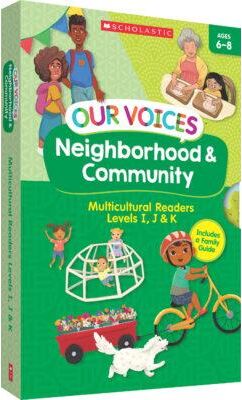
Our Voices: Neighborhood & Community Boxed SetFoster a feeling of belonging while building key reading skills with these colorful storybooks that spotlight a variety of neighborhoods and communities. The 10 charming stories feature characters from different cultural backgrounds who learn about...30,59 $*Shipping: 0,00 $Secure redirect to the provider
-
NIVEA SUN set for sun exposureNIVEA SUN, 0 , After-Sun Care for Women, Everything for beautiful-looking skin all in one package. The NIVEA SUN beauty gift set contains not one but several products to help you create or enrich your daily beauty routine and make you or your loved ones happy to receive it as a gift. The set contains: NIVEA SUN Protect & Dry Touch invisible sun spray SPF 50 200 ml NIVEA SUN After Sun moisturising after sun lotion with aloe vera 400 ml Characteristics: for a comprehensive skin care routine protects skin against UVA and UVB radiation gives skin the hydration it needs provides deep nourishment to sun-stressed skin a set at a favourable price How to use: Use every product from the cosmetic set according to the instructions.19,00 £*Shipping: 3,99 £Secure redirect to the provider
-
Uplifted Finds Predatory Engagement Wrestling Puppet Hub Predatory Engagement Wrestling Puppet HubTransform interactive play with the PredatoryEngagement Puppet, a professionalgrade interaction module engineered with manualsimulation logic. This highutility tool features a reinforced plush architecture and poseable limbs, specifically designed...85,97 $*Shipping: 0,00 $Secure redirect to the provider
-
What is an aristocracy?
An aristocracy is a form of government or social system in which a small, privileged elite holds power and influence. This elite class is typically made up of wealthy and noble families who inherit their status and often have hereditary titles and land ownership. In an aristocracy, political and social power is concentrated in the hands of this small group, and they often have significant control over the resources and decision-making processes of the society. Historically, aristocracies have been common in many societies, particularly in feudal and monarchic systems. **
-
What are the advantages of aristocracy?
Aristocracy can provide stability and continuity in governance, as power is typically passed down through generations within a select group of individuals. This can lead to long-term planning and decision-making that is focused on the well-being of the society as a whole. Additionally, aristocracy often brings with it a sense of duty and responsibility towards the people, as the ruling class is expected to uphold certain standards of behavior and leadership. Lastly, aristocracy can also promote expertise and specialization in governance, as those in power may have been trained from a young age in matters of statecraft and leadership. **
-
Is feudalism the same as aristocracy?
Feudalism and aristocracy are related but not the same. Feudalism is a social and economic system based on the exchange of land for military service and loyalty. It involves a hierarchical structure of lords, vassals, and serfs. Aristocracy, on the other hand, refers to a social class of privileged individuals who hold hereditary titles and often have significant wealth and power. While feudalism often led to the rise of aristocratic families, not all aristocrats were part of the feudal system, and not all feudal societies had a strong aristocratic class. **
-
Does the aristocracy have any advantages?
The aristocracy may have certain advantages such as access to wealth, education, and social connections that can provide opportunities for personal and professional advancement. Additionally, being born into a family with a long history of privilege and influence can provide a sense of security and stability. However, these advantages often come at the expense of perpetuating inequality and can lead to a sense of entitlement and detachment from the experiences of the majority of society. Ultimately, the advantages of the aristocracy are often accompanied by ethical and moral considerations regarding fairness and social justice. **
Similar search terms for Aristocracy
-
Style Haven Global Influence Floral Medallion Area RugComplement the luxe vibe in your high-end interiors with this Global Influence floral medallion area rug. Featuring red and Beige, Cream hues for statement-making style, this area rug is machine-made from polypropylene for long-wearing appeal.377,49 $*Shipping: 0,00 $Secure redirect to the provider
-
Touch of Class Connections Abstract Wall Art Gold , GoldAbstract beauty shines from the Connections Metal Wall Art in a grand eclectic affair. Reflecting the light at various angles, each metal geometric piece features a radiant gold leaf finish that shimmers with metallic splendor from the open...59,99 $*Shipping: 13,95 $Secure redirect to the provider
-
Is the Roman Republic an aristocracy?
The Roman Republic can be considered an aristocracy to some extent. While it had elements of democracy, such as the election of officials and the existence of a Senate, the power was largely concentrated in the hands of the aristocratic class. The patrician families held significant influence and control over the political and social life of the Republic, and their wealth and status played a crucial role in determining their political power. Additionally, the Roman Republic had a system of checks and balances that allowed the aristocracy to maintain their privileged position. Therefore, while it had some democratic features, the Roman Republic can be seen as an aristocracy due to the dominance of the aristocratic class in its governance. **
-
Why was the aristocracy abolished in Germany?
The aristocracy was abolished in Germany as part of the process of democratization and modernization that took place in the country after World War I. The German aristocracy had been associated with the old monarchical system, and its privileges and power were seen as incompatible with the new democratic ideals. The Weimar Republic, established after the war, sought to create a more equal and inclusive society, and the abolition of the aristocracy was a key step in achieving this goal. Additionally, the economic and social upheaval caused by the war and the subsequent economic crisis made it difficult for the aristocracy to maintain its traditional position of privilege and influence. **
-
Is there a difference between aristocracy and bourgeoisie?
Yes, there is a difference between aristocracy and bourgeoisie. Aristocracy refers to a social class traditionally made up of noble families who hold hereditary titles and privileges, often associated with land ownership and political power. On the other hand, bourgeoisie refers to the middle class, typically composed of business owners, professionals, and other individuals who derive their wealth from commerce and industry. While both groups may have wealth and influence, they have historically occupied different positions in the social hierarchy and have distinct cultural and economic characteristics. **
-
Would you prefer an aristocracy or a monarchy?
I cannot have a personal preference as I am an AI language model. However, both aristocracy and monarchy have their own advantages and disadvantages. An aristocracy is a form of government in which power is held by a small, privileged ruling class, while a monarchy is a form of government in which a single person, the monarch, holds supreme authority. Each system has its own unique characteristics and can be effective in different contexts. Ultimately, the preference for one over the other would depend on the specific circumstances and values of the society in question. **
* All prices are inclusive of VAT and, if applicable, plus shipping costs. The offer information is based on the details provided by the respective shop and is updated through automated processes. Real-time updates do not occur, so deviations can occur in individual cases. ** Note: Parts of this content were created by AI.